First assignment
Party Systems (Hershey ch. 1)
CHANGES IN THE PARTY SYSTEM REFLECT CHANGES IN THE NATION'S DEMOGRAPHIC AND ECONOMIC MAKEUP.
First Party System: 1792–1824
The line is now drawn so clearly as to show on one side, 1. The fashionable circles of Philadelphia, New York, Boston and Charleston, (natural aristocrats), 2. Merchants trading on British capital, 3. Paper men (all the old tories are found in some one of the three descriptions). On the other side are, 1. Merchants trading on their own capital. 2. Irish merchants. 3. Tradesmen, mechanics, farmers, and every other possible description of our citizens.
In those days, presidential electors were chosen by the state legislatures, and New York’s legislative elections were held early, in April. By outmaneuvering Hamilton and the Federalists, and briefly uniting the bickering Republican factions, Burr secured New York for Jefferson. He did it by employing what we would admire as a strong political ground game. Rather than affecting to be above politics, as Jefferson did, for example, Burr campaigned openly, made detailed lists of likely voters and party donors, and turned his house into a campaign headquarters.
Federalists (die off by 1816) v. Democratic-Republican Party (also called "Democratic-Republican" or "Jeffersonian Republican").
Second Party System: 1828–1854
Andrew Jackson ... and the big block of cheese.
Now this is the whole matter. In substance, it is this: The people say to Gen: Taylor ``If you are elected, shall we have a national bank?'' He answers ``Your will, gentlemen, not mine'' ``What about the Tariff?'' ``Say yourselves.'' ``Shall our rivers and harbours be improved?'' ``Just as you please'' ``If you desire a bank, an alteration of the tariff, internal improvements, any, or all, I will not hinder you; if you do not desire them, I will not attempt to force them on you'' ``Send up your members of congress from the va[rious] districts, with opinions according to your own; and if they are for these measures, or any of them, I shall have nothing to oppose; if they are not for them, I shall not, by any appliances whatever, attempt to dragoon them into their adoption[.]''
Third Party System: 1854–1892
Slavery redefines the parties: pro-slavery Whigs ("Cotton Whigs") go Democratic. Anti-slavery Whigs ("Conscience Whigs," e.g., Lincoln) and anti-slavery Dems go to the new Republican Party.
Democrats v. Republicans. The Democratic coalition includes pro-business Southern Democrats, traditional Democrats in the North and Catholic immigrants, among others. The Republican coalition consists of businessmen, shop owners, skilled craftsmen, clerks, and professionals.
Fourth Party System: 1896–1928
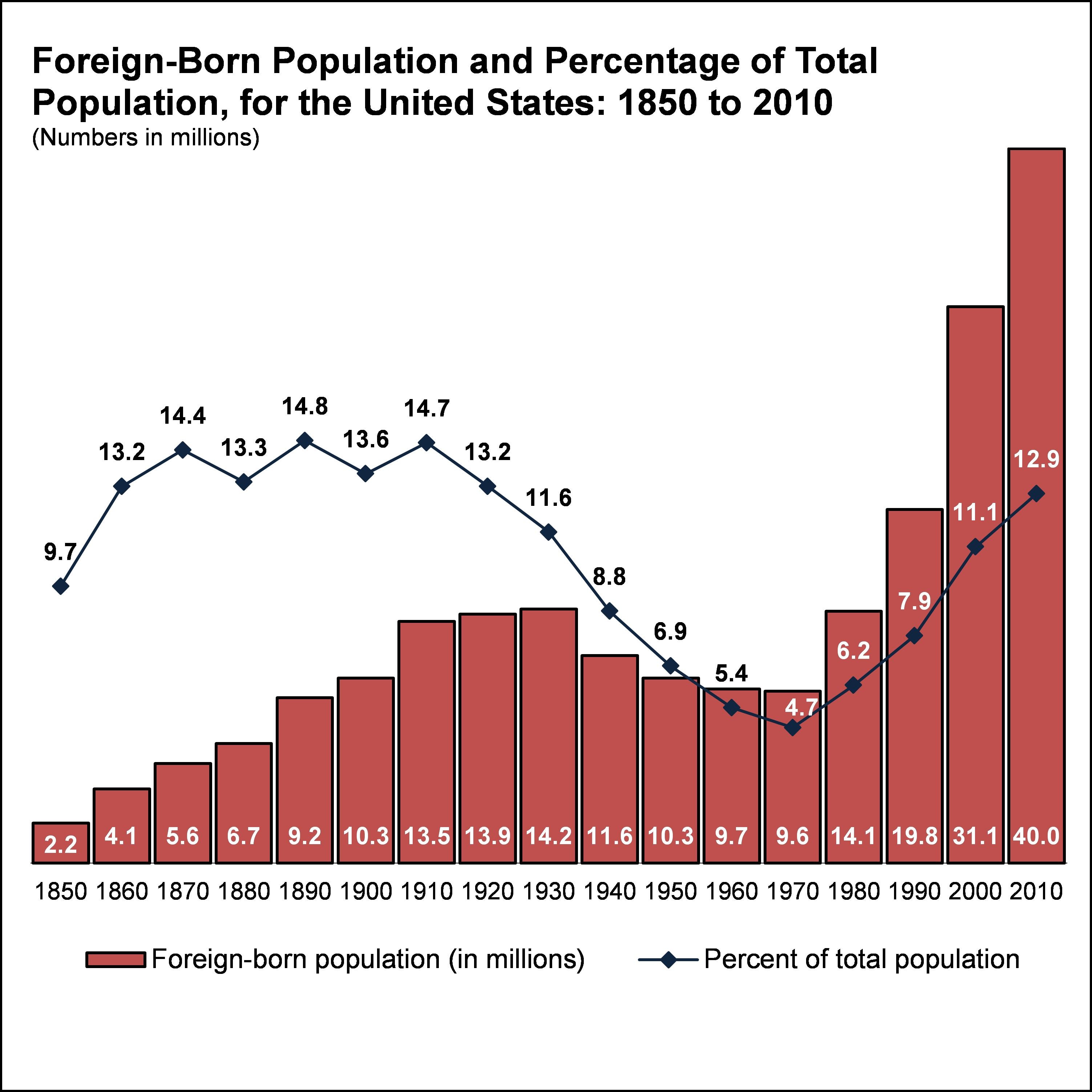
Domestic issues changed to government regulation of business and banking, the tariff, the role of labor unions, child labor, political corruption and reform. racial segregation, women's suffrage, and immigration. The nation shifts from rural to urban, from mostly native-born to immigrant stock.
Domestic issues changed to government regulation of business and banking, the tariff, the role of labor unions, child labor, political corruption and reform. racial segregation, women's suffrage, and immigration. The nation shifts from rural to urban, from mostly native-born to immigrant stock.


Urban political machines
"Honest Graft" and machines

No comments:
Post a Comment
Note: Only a member of this blog may post a comment.